


How to Use Your Cadillac’s Night Vision Camera
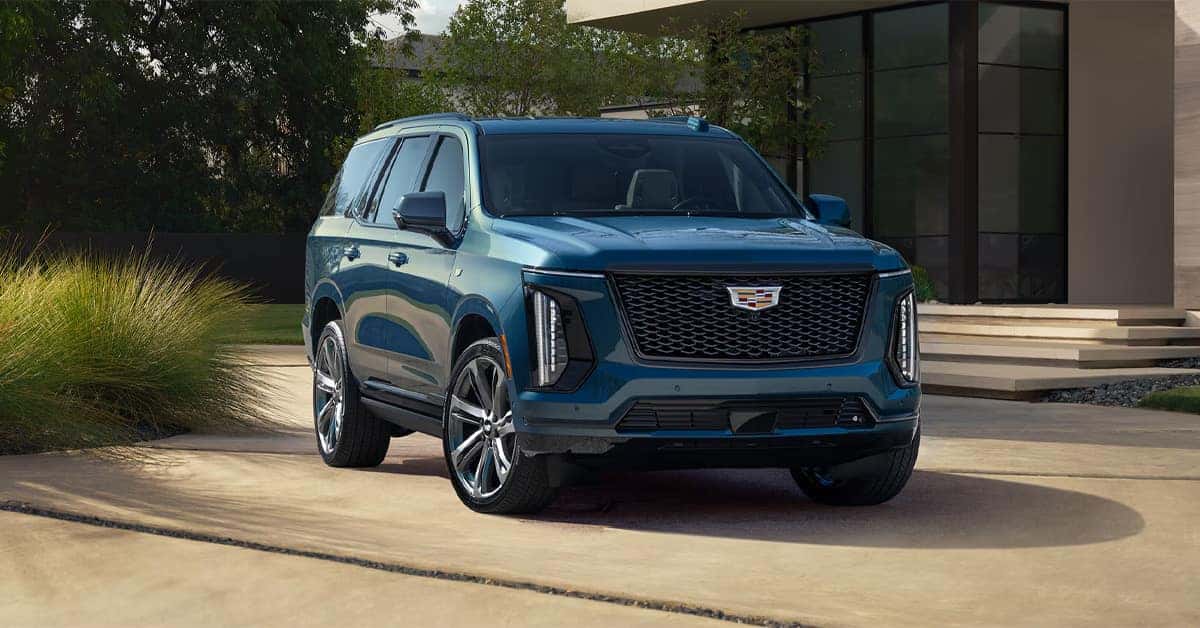
Cadillac Night Vision helps you see potential obstacles beyond the reach of your headlights by using thermal imaging to identify people and animals in low-light conditions. Learning how to use the Cadillac night vision camera means knowing how to activate the system, interpret what appears on the display, and use that information alongside your normal driving awareness.
At Tustin Cadillac, we help drivers in Tustin, Irvine, Santa Ana, and Orange get the most from their Cadillac vehicles. From sales and financing to factory-trained service, genuine parts, and ongoing maintenance, our team is here to support your automotive needs. Contact us today to learn more about Cadillac technology and explore models such as the Cadillac Escalade and Escalade IQ.
Understanding Cadillac Night Vision and How It Works
Cadillac Night Vision is designed to give drivers another source of visual information when visibility is limited. Rather than relying on visible light like a conventional camera, the system uses infrared sensing to create a thermal image that can help identify pedestrians and large animals beyond the reach of the vehicle’s headlights.
For drivers learning how to use Cadillac night vision camera technology, the most important point is that Night Vision supplements your normal view of the road. It does not replace your headlights, mirrors, windshield view, or attention behind the wheel.
What the Cadillac Night Vision Feature Detects
The system uses an infrared sensor mounted in the lower grille to detect heat signatures ahead of the vehicle. Under suitable conditions, Cadillac says the system is designed to detect objects up to approximately 330 feet, or 100 meters, away.
Warmer objects appear lighter in the thermal image, making people and larger animals easier to distinguish from the surrounding environment. Night Vision is particularly useful when a pedestrian or animal is difficult to see with ordinary headlights.
For example, someone walking near the edge of a dark road may become more noticeable on the thermal display before they are clearly visible to the naked eye.
The system is designed to highlight:
- Pedestrians
- Large animals
- Some smaller animals, although detection is not guaranteed
- Children approximately 4 feet or taller who are walking or standing
Where Night Vision Information Appears
Night Vision information is displayed through the driver’s information display when the feature is selected. Depending on the Cadillac model and equipment, warnings can also appear in the instrument panel or Head-Up Display. When a pedestrian or large animal is detected, the system can place a colored box around the object.
Cadillac explains that the box can progress from yellow toward amber or red as the vehicle approaches, depending on the system and circumstances. Some vehicles can also provide audible warnings or Safety Alert Seat pulses.
If you’re wondering what night vision camera Cadillac technology is, think of it as an additional thermal view of the road ahead, not a replacement for your normal driving vision.
Cadillac Models Equipped With Night Vision
Night Vision is available on select Cadillac vehicles and configurations rather than being universal across the entire lineup.
The 2026 Cadillac Escalade offers available Night Vision, giving drivers another way to monitor the road ahead after dark.
The 2026 Cadillac Escalade IQ also offers available Night Vision thermal imaging.
Cadillac describes the system as providing visibility beyond the headlamps, with functionality that can also operate during the daytime on equipped vehicles. If you’re considering an Escalade or Escalade IQ, check the specific vehicle’s equipment list to confirm that Night Vision is included.
Preparing to Use Cadillac Night Vision at Night
Getting useful information from Night Vision starts with understanding when the system can provide detection alerts and keeping its sensor clear. The technology works best when the conditions are suitable, and the sensor has an unobstructed view.
When to Activate Night Vision
On Cadillac vehicles equipped with the system, Night Vision can be selected as a view in the Driver Information Center. Cadillac notes that the thermal video can be available in a wider range of conditions on newer vehicles, but pedestrian and animal detection alerts depend on factors such as lighting and vehicle operation.
When the vehicle is moving forward with the headlamps on, and it is dark enough, the system can identify pedestrians and large animals ahead.
In some circumstances, detection is also available while the vehicle is parked with the headlamps off. You do not need to stare continuously at the Night Vision display. Use it as another source of information while maintaining your normal view of traffic and the road.
Checking the Camera and Windshield Area
The Night Vision sensor needs to remain clean for the system to work properly. Cadillac says the system can automatically activate its wash function when it detects that the camera is dirty, and it can also activate after repeated windshield washer use.
If you see a message indicating that Night Vision is temporarily unavailable, Cadillac recommends manually cleaning the camera with a soft cloth and glass cleaner when necessary.
Before a nighttime drive, it is worth checking for:
- Dirt or road debris around the lower grille
- Mud or other buildup covering the sensor
- Heavy rain, fog, or snow
- Messages indicating that Night Vision is unavailable
Understanding the Difference Between Night Vision and Headlights
Headlights illuminate objects by projecting visible light onto the road. Night Vision works differently by detecting thermal energy. That distinction matters. A dark-clothed pedestrian or animal may be difficult to see against a dark background, while the heat signature can stand out more clearly on a thermal image.
Still, Night Vision does not make the road safe to drive at excessive speeds or in poor conditions. It is an assistance feature designed to improve awareness, not a substitute for headlights, appropriate speed, or attentive driving.
Using the Cadillac Night Vision Camera While Driving
Once Night Vision is available and the vehicle is operating under suitable conditions, using it is relatively straightforward. The goal is not to change how you drive, but to give you another way to recognize potential hazards sooner.
Activating the Night Vision Display
Controls can vary by Cadillac model and equipment, so use the owner’s manual for model-specific instructions.
Cadillac states that if Night Vision is available, it appears as a selectable page in the Driver Information Center. On some vehicles, you can select the Night Vision option through the control panel near the Driver Information Center.
A basic process is:
- Start the vehicle and make sure the Night Vision-equipped system is active
- Select Night Vision through the available Driver Information Center controls
- View the thermal image on the driver display
- Continue monitoring the road directly through the windshield
- Respond appropriately if the system highlights a pedestrian or large animal
On newer Cadillac models such as the Escalade IQ, the system is integrated into the vehicle’s broader digital technology environment.
Reading Pedestrian and Animal Detection
The thermal image is not meant to look like a conventional road camera. Objects that generate more heat generally appear lighter than cooler surroundings. When the system detects a pedestrian or large animal ahead, a highlighted box can draw your attention to the object.
Depending on the vehicle and circumstances, the box can change color as you get closer. Additional alerts may include an icon, audible warning, Safety Alert Seat pulses, or a visual warning in the windshield or Head-Up Display.
If Night Vision highlights something ahead, don’t assume the system has identified every detail. Look toward the road, determine what is actually present, and take appropriate action.
Adjusting Your Driving Based on Night Vision Information
Night Vision is most valuable when it changes your awareness before a potential hazard becomes obvious. If you see a highlighted pedestrian or animal near the roadway, reduce speed and be prepared to stop or steer safely if necessary. The system does not activate the brakes or steering for you.
Cadillac specifically states that Night Vision is designed to provide alerts rather than automatically control the vehicle. A good driving habit is to treat a Night Vision alert as a prompt to investigate, not as permission to continue at your current speed.
Getting the Most From Cadillac Driver Assist Night Vision
Night Vision works best when it is considered part of a larger driver-awareness system.
The Escalade, for example, can combine Night Vision with technologies such as Enhanced Automatic Emergency Braking, Front Pedestrian and Bicyclist Braking, Forward Collision Alert, HD Surround Vision, Adaptive Cruise Control, and Super Cruise, depending on equipment.
Combining Night Vision With Other Driver Assistance Features
Each technology has a different purpose. Night Vision provides thermal information about objects ahead, while other systems can monitor traffic, assist with parking, or provide warnings and active assistance. For example, Night Vision may help you notice a heat signature beyond the reach of your headlights.
Other driver assistance technologies may provide additional information about the vehicle’s surroundings. The important distinction is that these systems work alongside the driver. They are not designed to make decisions independently of the person behind the wheel.
Understanding Night Vision Alerts and Limitations
Night Vision has limitations, and knowing them is just as important as knowing how to activate it.
Performance can be affected by:
- Insufficient darkness
- High outside temperatures
- Heavy rain
- Fog
- Snow
- A dirty or obstructed sensor
- Poor visibility
- Objects moving through the system’s field of view too quickly
Cadillac also notes that Night Vision may display an unavailable message when conditions are not suitable for detection. If the image is unclear because of severe weather, drivers should rely on normal defensive-driving practices rather than assuming the system will compensate for poor visibility.
Cadillac Escalade Night Vision Explained for Everyday Driving
For an Escalade driver, the biggest benefit is additional awareness on dark roads. Imagine driving home through a less-developed stretch of Orange County after sunset. Your headlights illuminate the pavement ahead, but a person or large animal farther down the road may be difficult to distinguish.
Night Vision provides another perspective by displaying thermal information and highlighting certain detected objects. That can give you more time to recognize a potential hazard and respond appropriately.
The Escalade IQ brings the same basic concept into Cadillac’s all-electric flagship SUV. Night Vision is available as thermal imaging, alongside advanced technologies such as Super Cruise, a 55-inch Horizon Display, and other driver-focused systems.
Using Night Vision Safely in Tustin, Irvine, Santa Ana, and Orange
Southern California driving can involve everything from brightly illuminated city streets to darker roads where pedestrians, cyclists, and animals may be harder to spot. Night Vision can provide useful additional information, but good driving habits remain essential.
Applying Night Vision on Local Roads and Highways
On familiar roads around Tustin, Irvine, Santa Ana, and Orange, it can be easy to become comfortable with a route and stop actively scanning for unexpected hazards.
Night Vision provides another layer of awareness, particularly when traveling after dark.
Use it to complement your normal habits:
- Keep your eyes focused primarily on the road ahead
- Maintain an appropriate following distance
- Adjust speed for weather and visibility
- Pay attention to Night Vision alerts
- Be prepared to slow or stop for pedestrians and animals
- Never assume the system has detected every potential hazard
When to Have Your Cadillac Night Vision System Serviced
Night Vision generally does not require special attention every time you drive, but persistent warnings or a system that does not appear to operate correctly should not be ignored.
If cleaning the sensor does not resolve an issue, or you receive repeated system messages, our service team at Tustin Cadillac can help determine whether the system needs further inspection.
Cadillac recommends consulting the vehicle’s specific owner’s manual for detailed feature limitations and model-specific instructions.
For drivers in Tustin, Irvine, Santa Ana, and Orange, proper maintenance helps keep sophisticated Cadillac technology ready when you need it. Contact Tustin Cadillac to learn more about Night Vision, explore the latest Cadillac Escalade and Escalade IQ models, or schedule service for your Cadillac.
What Is Cadillac’s Night Vision Camera Feature?
Cadillac’s Night Vision feature uses an infrared sensor in the lower grille to create a thermal image that can help drivers see pedestrians and large animals beyond the reach of the headlights.
Which Cadillac Models Offer the Night Vision Camera?
Cadillac offers Night Vision on select models and configurations, including the Cadillac Escalade and Cadillac Escalade IQ. Availability can vary by model and equipment.
How Does the Night Vision Camera Improve Nighttime Driving?
Cadillac Night Vision can highlight pedestrians and large animals ahead, helping drivers recognize potential hazards sooner when visibility is limited. It provides additional information but does not automatically steer or brake the vehicle.
Is the Night Vision Camera a Standard or Available Feature?
Cadillac Night Vision is an available feature rather than standard equipment across Cadillac vehicles, so shoppers should check the specific model and trim to confirm availability.
How Do I Turn On the Night Vision Display?
If your Cadillac is equipped with Night Vision, select Night Vision as a view in the Driver Information Center, or use the available Night Vision control on the panel beside the display, depending on the vehicle.
Explore Cadillac Technology and New Models at Tustin Cadillac
Seeing what is ahead is only one part of choosing a Cadillac equipped for modern driving. If you are comparing electric three-row SUVs, you can also explore how the Cadillac Vistiq compares with other premium EVs in its class, including its approach to passenger space, performance, technology, and electric capability. Our guide to Cadillac Vistiq and other three-row electric SUVs can help you compare the features that matter most for your next vehicle.
Take a closer look at Cadillac Vistiq trim levels and available features to see how equipment, technology, and luxury appointments change from one configuration to another. If your Cadillac’s climate control is not cooling the cabin as it should, knowing the common signs your Cadillac AC needs service can help you recognize potential issues before they become more disruptive, particularly during warm Southern California days.
Browse our new Cadillac inventory to see the latest models currently available, then take the next step by exploring our flexible financing options. When you are ready to experience Cadillac technology firsthand, visit Tustin Cadillac or contact our team for more information about available vehicles, features, and services.
Get Directions to Tustin Cadillac
Disclaimer: All information is provided for general informational and entertainment purposes only. While we strive for accuracy, we cannot guarantee that all content is complete, current, or error-free. Any reliance you place on such information is strictly at your own risk. This article may include opinions and is not endorsed by, or officially affiliated with, any vehicle manufacturer or brand. Always consult official sources – such as the vehicle’s owner’s manual, authorized dealerships, or certified professionals – for the most up-to-date and personalized information.
0 comment(s) so far on How to Use Your Cadillac’s Night Vision Camera