


Super Cruise vs Adaptive Cruise Control: What’s Better? [2026]
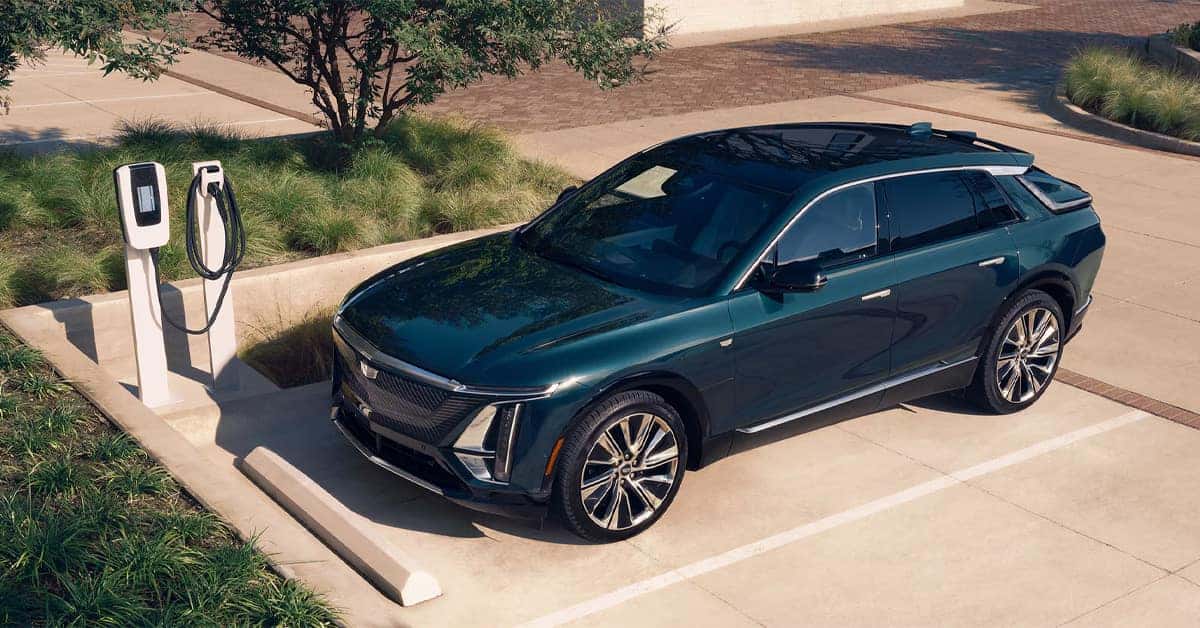
Super Cruise and Adaptive Cruise Control are both designed to make driving easier, but they offer very different levels of capability. Adaptive Cruise Control automatically adjusts your speed to maintain a safe following distance, while Super Cruise builds on that foundation with hands-free driving, lane centering, and available automatic lane changes on compatible highways. Understanding how each system works can help you decide which technology best fits your driving habits and whether the added convenience of Super Cruise is worth it.
At Tustin Cadillac, our team is here to help you explore the latest Cadillac technology and find the model that matches your lifestyle. Whether you’re shopping for a new Cadillac, scheduling expert service, or looking for genuine parts and accessories, we’re committed to providing an exceptional ownership experience. Contact our dealership today to learn more about Cadillac Super Cruise and experience it for yourself on a test drive.
What Is the Difference Between Super Cruise and Adaptive Cruise Control?
At first glance, Super Cruise and Adaptive Cruise Control may seem similar because both are designed to reduce driver workload during longer trips. The key difference is that Adaptive Cruise Control manages your speed, while Super Cruise combines that capability with hands-free steering, lane centering, and additional technologies that allow for a more advanced highway driving experience on compatible roads.
When discussing Cadillac Super Cruise vs Adaptive Cruise Control, it helps to think of Adaptive Cruise Control as the foundation and Super Cruise as the next step forward.
What Does Adaptive Cruise Control Do?
Adaptive Cruise Control enhances traditional cruise control by automatically adjusting your speed to maintain a driver-selected following distance from the vehicle ahead. Using radar, cameras, or both, the system can:
- Maintain your preset cruising speed when traffic is clear.
- Slow the vehicle when approaching slower-moving traffic.
- Accelerate back to the selected speed once the lane opens.
- Help reduce fatigue during highway driving and stop-and-go traffic.
The driver remains responsible for steering at all times and should keep both hands on the steering wheel while using the system.
What Makes Super Cruise Different?
For anyone looking for Cadillac Super Cruise explained in simple terms, Super Cruise expands on Adaptive Cruise Control by adding intelligent steering assistance and hands-free operation on compatible divided highways.
In addition to controlling speed, Super Cruise can:
- Keep the vehicle centered within its lane.
- Allow hands-free driving on hundreds of thousands of miles of compatible roads in the United States and Canada.
- Monitor the driver’s attention using an infrared camera.
- Automatically brake and accelerate as traffic conditions change.
- Perform available automatic lane changes on equipped Cadillac models.
These added capabilities create a more relaxed driving experience during long highway trips while still requiring the driver to remain attentive and ready to take control if needed.
Which System Is Right for You?
Both technologies improve comfort behind the wheel, but they serve different purposes. Adaptive Cruise Control is an excellent feature for drivers who want smoother speed management in changing traffic. Super Cruise is designed for those who spend significant time on compatible highways and want an even more advanced driving experience with hands-free capability and intelligent lane management.
If you’re interested in experiencing the difference firsthand, visit Tustin Cadillac and take a Super Cruise-equipped model for a test drive. Seeing how the technology operates in real driving conditions is one of the best ways to appreciate its advantages over traditional Adaptive Cruise Control.
How Does Super Cruise Work?
If you’ve ever wondered how Super Cruise works, the answer lies in a combination of advanced sensors, precise mapping, and intelligent software working together to support the driver. Rather than functioning as a self-driving system, Super Cruise is a hands-free driver assistance technology designed to make highway travel more comfortable while still requiring the driver’s full attention.
A simple way to think about it is as an extra set of eyes and hands that can help with routine highway driving. The vehicle can maintain its speed, stay centered in its lane, and adjust to surrounding traffic, but the driver remains responsible for the vehicle at all times.
Cadillac Super Cruise Explained
For anyone looking for Cadillac Super Cruise explained in simple terms, the system combines several technologies that continuously communicate with one another to help guide the vehicle safely on compatible highways.
These technologies include:
- Adaptive Cruise Control to maintain a selected speed and following distance.
- Lane Centering to help keep the vehicle positioned between lane markings.
- GPS technology paired with high-definition road maps to identify approved highways.
- Cameras and radar sensors that monitor lane markings, surrounding traffic, and nearby vehicles.
- A driver attention monitoring camera that confirms the driver is watching the road, even when their hands are off the steering wheel.
When all required conditions are met, Super Cruise lets the driver remove their hands from the steering wheel while the system manages steering, acceleration, and braking. If traffic slows, the vehicle automatically reduces speed. Once traffic begins moving again, it accelerates smoothly back to the selected speed when appropriate.
Why Driver Attention Still Matters
Although Super Cruise can handle many aspects of highway driving, it is not an autonomous driving system. The driver must stay alert and be ready to take control whenever requested.
The built-in driver monitoring system plays an important role by tracking the driver’s head position and eye direction. If the system detects that the driver is no longer paying attention, it provides visual, audible, and eventually haptic alerts to encourage the driver to refocus on the road. If the driver does not respond, Super Cruise is designed to safely slow the vehicle while activating additional safety measures.
What Makes Super Cruise Feel Different?
Many drivers notice the difference during longer highway trips. Instead of making constant steering corrections or repeatedly adjusting speed in changing traffic, Super Cruise helps reduce workload while keeping the vehicle traveling smoothly within its lane.
Drivers can appreciate benefits such as:
- Less fatigue during long-distance travel.
- Smooth acceleration and braking in changing traffic.
- Consistent lane positioning on compatible highways.
- Available automatic lane changes on properly equipped models.
- Greater confidence during extended interstate drives.
Whether you’re commuting every day or heading out on a weekend road trip, Super Cruise is designed to make the journey feel more relaxed without replacing the driver’s responsibility behind the wheel.
If you’re interested in experiencing Cadillac Super Cruise firsthand, visit our dealership to explore available models equipped with this innovative technology. A test drive is one of the best ways to see how the system operates in real-world highway conditions and determine whether it’s the right fit for your driving style.
What Can Adaptive Cruise Control Do, and Where Does It Fall Short?
Adaptive Cruise Control (ACC) is one of the most popular driver assistance features available today because it makes everyday highway driving less tiring. Instead of simply maintaining a fixed speed like traditional cruise control, ACC automatically adjusts your speed to keep a safe following distance from the vehicle ahead.
While many drivers researching how Super Cruise works start by comparing it to Adaptive Cruise Control, it is important to understand that ACC serves as a foundation rather than a complete hands-free driving system.
What Adaptive Cruise Control Does Well
Using forward-facing radar, cameras, and electronic throttle and braking controls, Adaptive Cruise Control continuously monitors traffic ahead and responds automatically.
Its primary capabilities include:
- Maintaining a driver-selected cruising speed
- Slowing automatically when approaching slower-moving traffic
- Accelerating back to the preset speed once traffic clears
- Maintaining a selectable following distance
- Helping reduce driver fatigue during long highway drives
- Smoothing stop-and-go traffic on many equipped vehicles
For daily commuters, these features can make highway travel feel noticeably less stressful, especially during busy traffic conditions where constant speed adjustments would otherwise be necessary.
Where Adaptive Cruise Control Reaches Its Limits
Although Adaptive Cruise Control is a significant convenience feature, it still relies on the driver for many critical aspects of vehicle operation.
Unlike more advanced systems, Adaptive Cruise Control typically does not:
- Steer the vehicle through curves or keep it centered within its lane
- Allow hands-free driving
- Monitor whether the driver is paying attention to the road
- Perform automatic lane changes around slower traffic
- Use high-definition mapped highways to expand driving assistance capabilities
Because of these limitations, drivers must remain actively engaged with steering while supervising the system’s speed control at all times.
How It Compares With More Advanced Driver Assistance
This is where Super Cruise vs competitor driver assistance becomes an important discussion. Many modern driver assistance systems include some combination of Adaptive Cruise Control and lane-centering technology, but Cadillac’s Super Cruise builds upon those features with hands-free capability on compatible highways, infrared driver attention monitoring, and available automatic lane changes.
Rather than replacing Adaptive Cruise Control, Super Cruise uses it as part of a much broader suite of technologies designed to reduce driver workload during extended highway travel.
Whether you’re comparing Cadillac’s latest innovations or exploring other advanced driver assistance technologies, visiting Tustin Cadillac allows you to experience these systems firsthand and determine which level of assistance best matches your driving habits.
How Does Super Cruise Compare to Other Driver Assistance Systems?
As advanced driver assistance technology continues to evolve, many shoppers find themselves comparing Cadillac’s system with similar features offered by other luxury brands. The conversation around Super Cruise vs competitor driver assistance often comes down to how much responsibility the vehicle can take on, and how confidently it performs those tasks while keeping the driver involved.
Although several manufacturers now offer sophisticated highway driving assistance, Cadillac has built Super Cruise around a combination of high-definition mapping, precise positioning, driver monitoring, and smooth vehicle control that creates a refined driving experience on compatible roads.
What Sets Super Cruise Apart?
Rather than relying solely on cameras and sensors, Super Cruise integrates multiple technologies that work together to support hands-free driving when conditions allow.
Key features include:
- Hands-free driving on hundreds of thousands of miles of compatible highways across the United States and Canada
- Adaptive Cruise Control with automatic speed adjustments
- Lane centering that helps keep the vehicle positioned naturally within its lane
- Infrared driver attention monitoring to ensure the driver remains focused on the road
- Available Automatic Lane Change that can pass slower traffic when appropriate
- Continuous over-the-air updates that help keep the system current
This layered approach allows the system to deliver a higher level of convenience while maintaining multiple safeguards that keep the driver engaged.
How Does It Compare With Other Systems?
Many competing driver assistance systems offer useful capabilities such as Adaptive Cruise Control, lane keeping assistance, or partial hands-free operation. However, they may differ in road availability, driver monitoring strategies, or the range of automated features they support.
For example, shoppers comparing luxury vehicles often evaluate factors such as:
- Whether true hands-free driving is available
- How accurately the vehicle maintains lane position
- The quality of the automatic lane change functionality
- Driver monitoring technology that promotes safe operation
- The number of compatible highways supported by the system
These differences can have a noticeable impact during long road trips, where reducing driver workload becomes especially valuable.
Why Many Drivers Consider Super Cruise a Leading Choice
When discussing the best hands-free driving system 2026 has to offer, many drivers value consistency just as much as advanced technology. Super Cruise is designed to provide smooth steering inputs, predictable speed adjustments, and reliable lane positioning, creating a driving experience that feels natural rather than abrupt.
The result is a system that helps reduce fatigue during extended highway travel while still reminding drivers that they remain responsible for monitoring traffic and road conditions. For anyone considering a luxury vehicle with advanced driver assistance technology, experiencing Super Cruise in person is one of the best ways to understand how its capabilities differ from other systems currently on the market.
What is the difference between Super Cruise and Adaptive Cruise Control?
Adaptive Cruise Control automatically adjusts your speed to maintain a safe following distance, while Super Cruise adds hands-free driving, lane centering, driver attention monitoring, and available automatic lane changes on compatible highways.
Is Cadillac Super Cruise fully hands-free?
Yes, Super Cruise allows hands-free driving on compatible, pre-mapped divided highways, but drivers must remain attentive and ready to take control at any time.
Which Cadillac models come with Super Cruise?
Super Cruise is available on many Cadillac models, including the LYRIQ, OPTIQ, VISTIQ, ESCALADE IQ, and other eligible Cadillac vehicles, depending on the model year, trim level, and configuration.
How does Super Cruise compare to Tesla Autopilot or Ford BlueCruise?
Super Cruise offers hands-free highway driving, driver attention monitoring, and available automatic lane changes on compatible roads, making it one of the industry’s most advanced hands-free driver assistance systems. The specific capabilities and operating conditions differ from Tesla Autopilot and Ford BlueCruise.
Is Super Cruise safe to use on highways?
Yes, Super Cruise is designed for use on compatible divided highways and includes driver attention monitoring to help ensure the driver remains engaged. However, it is not a self-driving system, and drivers must stay alert and be prepared to take control whenever necessary.
Experience Cadillac Driver Assistance Technology at Tustin Cadillac
The best way to understand the difference between advanced driver assistance systems is to experience them behind the wheel. A test drive lets you see how Super Cruise handles compatible highways, maintains speed and lane position, and helps make longer drives feel more comfortable while keeping you engaged with the road.
If you’re shopping for a new Cadillac near Anaheim, Irvine, or Newport Beach, visit Tustin Cadillac to explore our new inventory and find a model equipped with the latest driver assistance technologies. Our knowledgeable team can answer your questions, demonstrate available features, and help you apply for financing so you can move forward with confidence.
As you continue researching Cadillac technology, you may also want to learn how to use your Cadillac’s Super Cruise system, discover the convenience of your Cadillac’s hands-free lift gate, or compare Cadillac SUVs by size and seating capacity to find the model that best fits your lifestyle. Contact us or stop by today to experience Cadillac’s latest innovations in person.
Get Directions to Tustin Cadillac
Disclaimer: All information is provided for general informational and entertainment purposes only. While we strive for accuracy, we cannot guarantee that all content is complete, current, or error-free. Any reliance you place on such information is strictly at your own risk. This article may include opinions and is not endorsed by, or officially affiliated with
0 comment(s) so far on Super Cruise vs Adaptive Cruise Control: What’s Better? [2026]